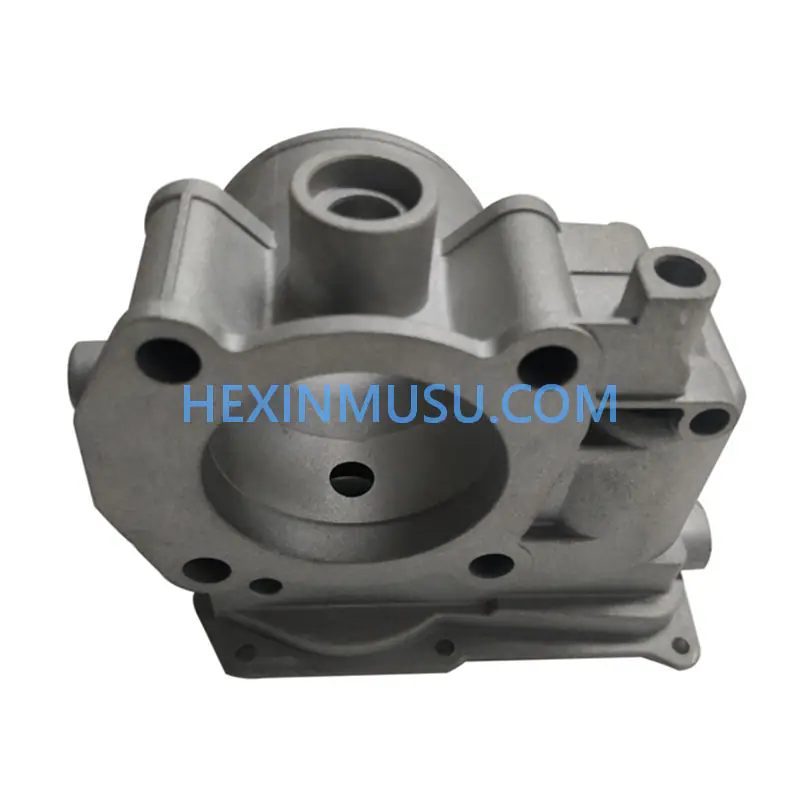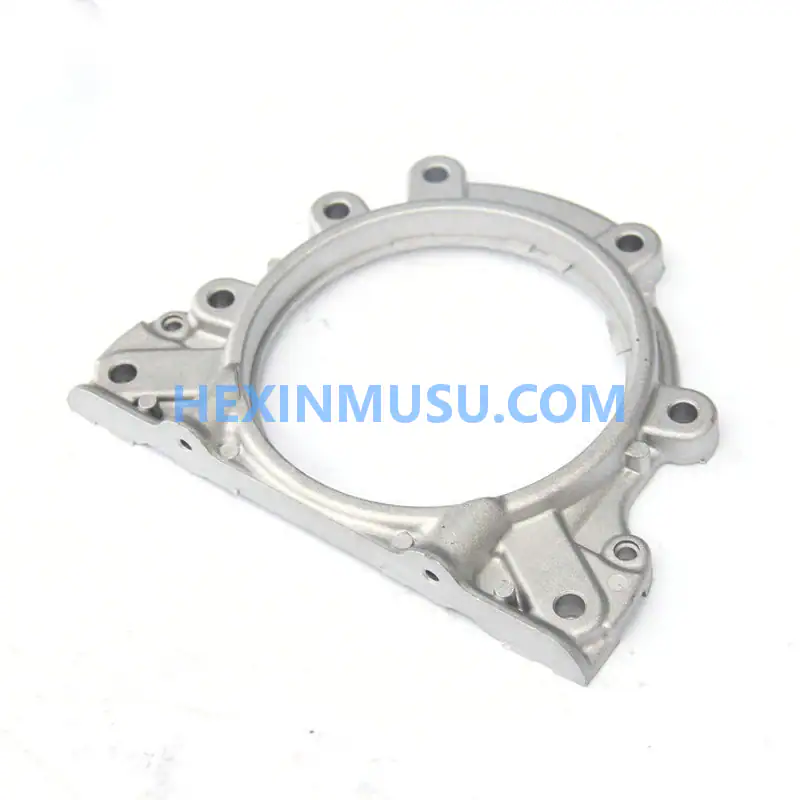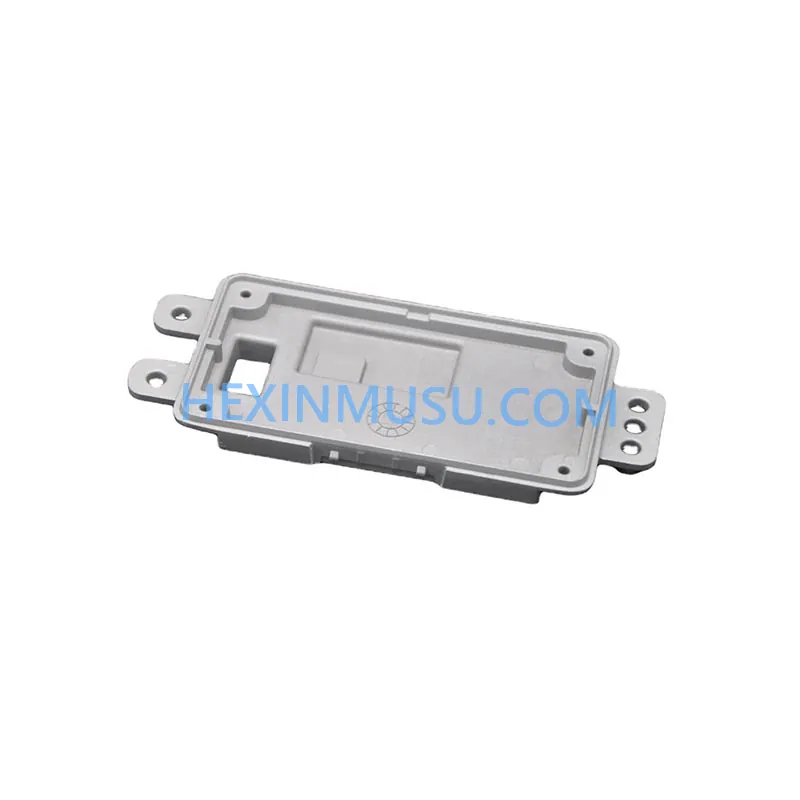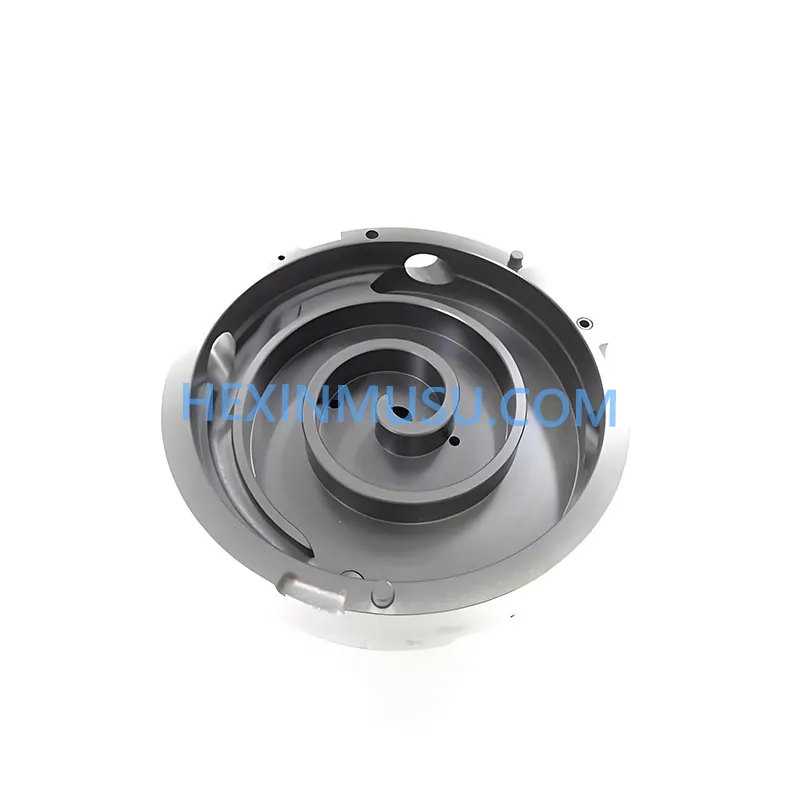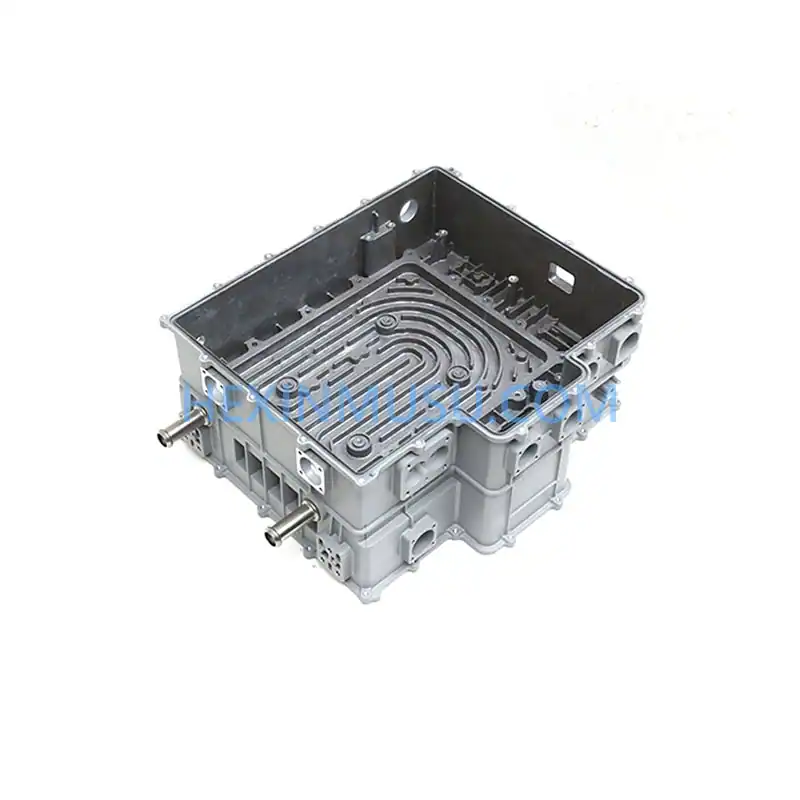
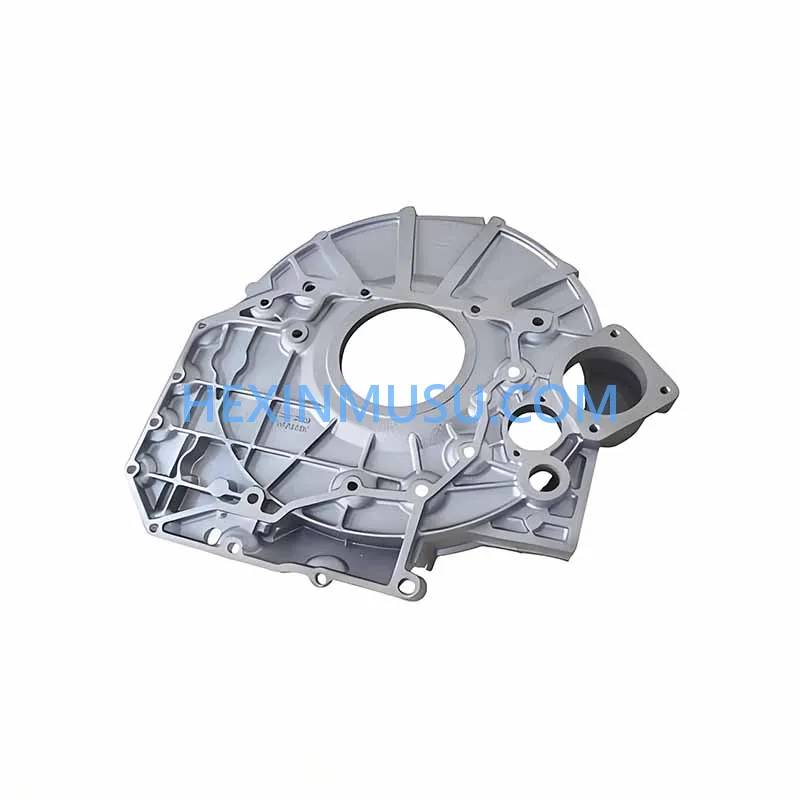
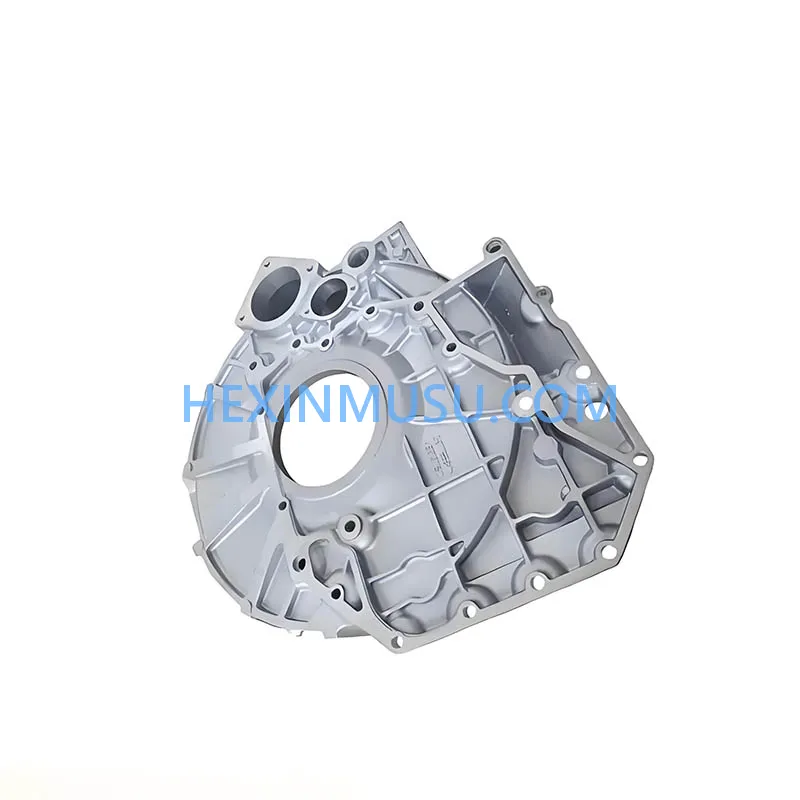
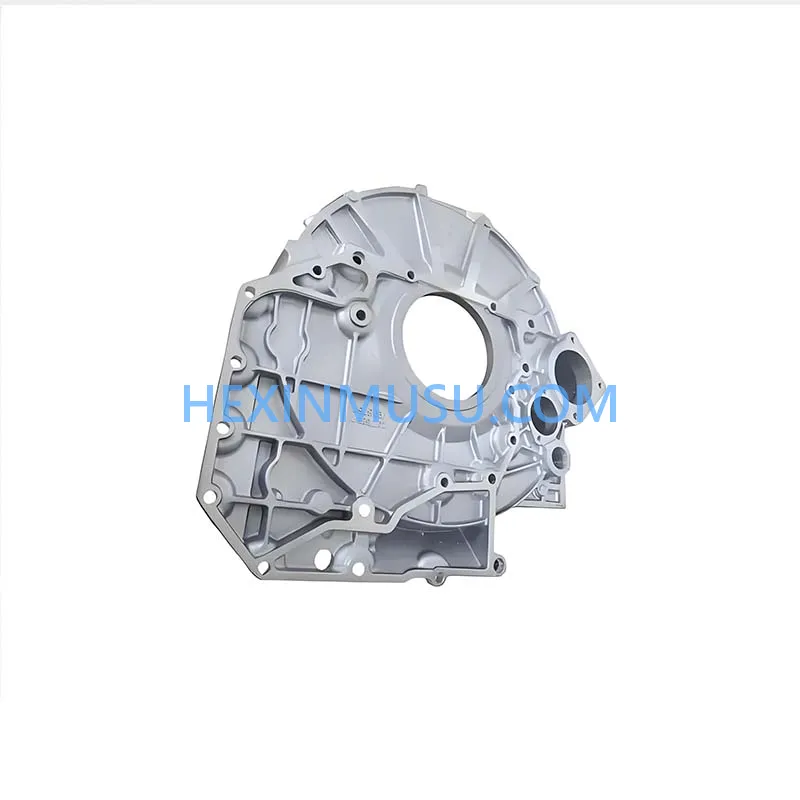

Low pressure casting aluminum alloy flywheel shell, as a key component of the power transmission system, adopts low pressure casting process combined with high-quality aluminum alloy material, which is both lightweight and high-strength. Its precise structural design can effectively carry the flywheel and isolate it from external impacts, ensuring smooth and reliable power transmission. Aluminum alloy material has excellent heat dissipation performance, which helps to reduce the working temperature and improve the transmission efficiency. The surface of the aluminum alloy is finely processed and anti-corrosion treated, which not only has a delicate appearance but also enhances durability, providing solid and efficient protection for the powertrain.
Technical Parameters
| parameter term | Technical indicators |
|---|---|
| Casting pressure range | 0.3-0.6MPa (Adaptive Intelligent Pressure Regulation System) |
| Mold temperature control | 180-300℃ (multi-point temperature control, accuracy ±5℃) |
| material grade | A356-T6 aluminum alloy (or as specified by customers) |
| tensile strength | ≥230MPa (at room temperature) |
| Dimensional accuracy | Class CT7 (ISO 8062 standard) |
| surface treatment | Anodized/powder coated/plated (optional) |
| Sealing requirements | Leakage rate ≤ 0.2mL/min (helium mass spectrometry detection) |
Quality Assurance System
Certified Endorsement:
- Conforms to IATF 16949 quality management system standards for the automotive industry
- ISO 9001 quality management system certification
Process Control:
- Real-time monitoring of the casting process (closed-loop control of pressure, temperature and speed)
- On-line testing of mechanical properties (to ensure tensile strength and fatigue life)
Testing Standards:
- 100% dimensional coordinate inspection (accuracy of critical mating surfaces ≤ 0.05mm)
- Ultrasonic flaw detection (internal defect detection in accordance with ASTM E2375)
- Dynamic Balance Test (Unevenness ≤ 10g-mm/kg)
application scenario
automobile manufacturing
- Applied to the engine and transmission connection parts of passenger cars and commercial vehicles, it realizes the balance between light weight and high strength, and improves the fuel economy and NVH performance of the whole vehicle.
large-scale unmanned aerial vehicle (UAV)
- Adapted to industrial-grade UAV power systems, the ultimate lightweight design significantly improves the thrust-to-weight ratio and endurance, and the high-strength structure ensures reliability under high-frequency vibration conditions.
Ship power system
- Used for medium and high speed marine diesel engine and gearbox connection, excellent corrosion resistance to adapt to the marine environment, to protect the stability of power transmission under long time navigation.
generating set
- As the key connector between the engine and generator of the diesel generator set, the high-precision structure ensures the stability of alignment and guarantees the quality of power output.
Specialized industrial equipment
- Applied to air compressors, water pumps, mining machinery and other heavy equipment, to withstand high inertia load and torque impact, to ensure continuous and smooth industrial power transmission.
Commercial fleet and specialized vehicles
- Suitable for logistics vehicles, construction machinery and other high-load scenarios, excellent durability and heat dissipation performance to ensure long-term reliable operation of the drive system.
Technical Highlights
Topology optimized structural design:
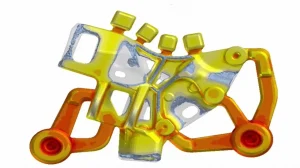
Lightweight design based on finite element analysis to achieve weight reduction of 15%-20% while ensuring strength.
Directional solidification casting process:
Gradient cooling technology is adopted to control the direction of grain growth and improve the overall mechanical properties and fatigue characteristics.
Integrated cooling runner design (optional):
For high heat load application scenarios, internal cooling channels can be integrated to enhance cooling efficiency by more than 30%.
Digital Manufacturing Processes:
Digital control of the whole process from CAD design to CAE simulation to CAM processing ensures product consistency and reliability.